
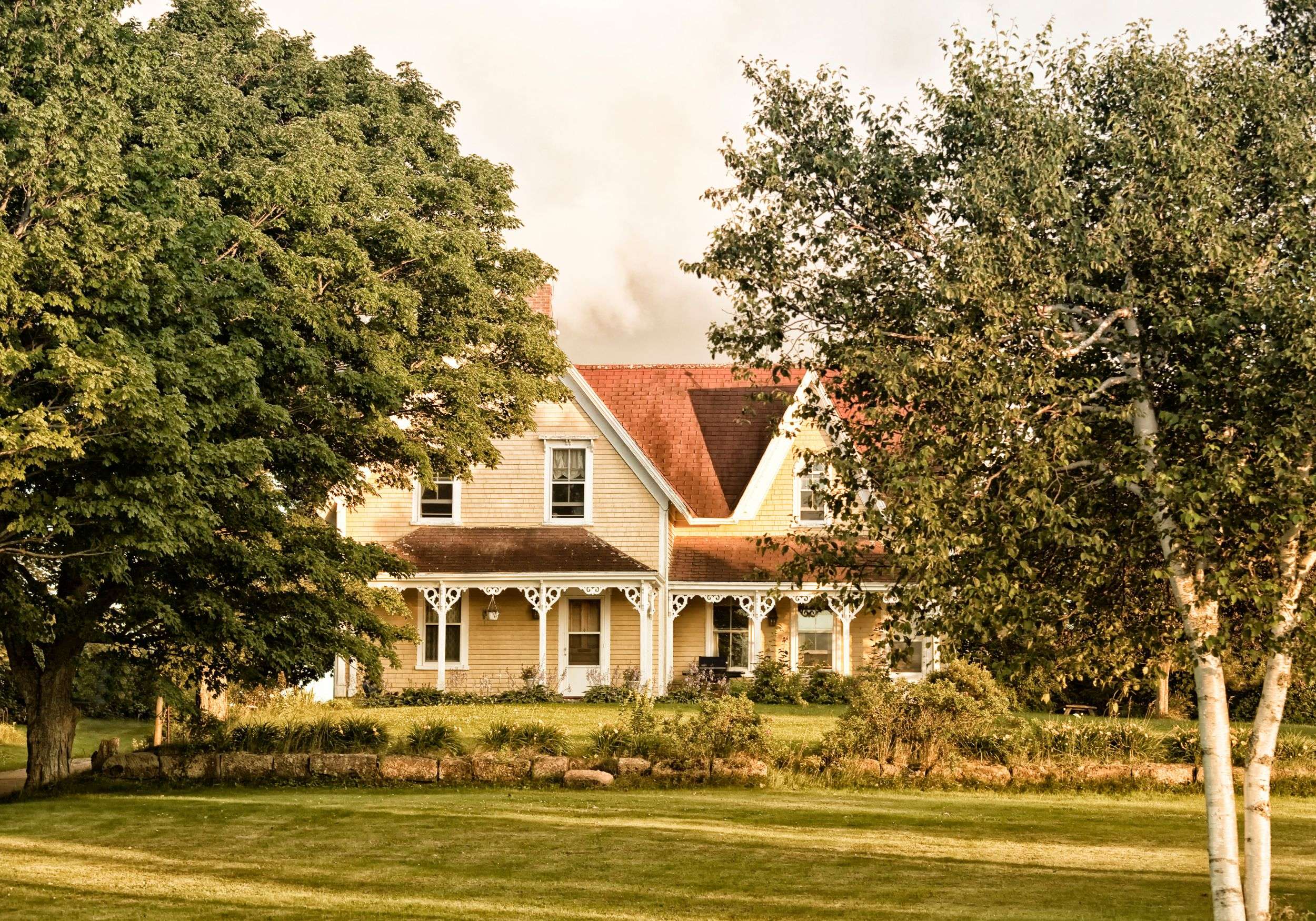
What Is Small Farm Insurance?
Small farm insurance protects farm owners from the specific risks associated with running a farm. Whether you’re the owner of a hobby farm, an organic operation, or a family-owned farm producing goods for local markets, small farm insurance offers peace of mind by covering unexpected events that may derail your farm’s operations.
Why Do You Need Insurance?
Running a farm isn’t easy—it comes with its fair share of challenges and risks. Small farm insurance is crucial for a few reasons:
- Protect against the unexpected: Farming is influenced by factors like weather, machinery malfunctions, and accidents that can occur at any time.
- Safeguard assets: Your farm, with its property, livestock, and equipment, represents a big investment—so it’s smart to protect it.
- Ensure business continuity: If a major incident happens, insurance helps you get the farm back up and running without suffering a significant financial loss.
- Comply with legal requirements: Sometimes, you need liability insurance to meet regulations, especially if you’re selling products or have employees working on the farm.
What Are the Risks of Not Having Insurance?
Owning a small farm without insurance can expose your business to several risks:
- Uncovered financial losses: Property damage, livestock illness, or accidents could lead to expensive repairs or replacements, which you’d have to pay for yourself.
- Legal liability: If someone gets hurt on your farm, or your activities cause damage to a neighbor’s property, legal fees and compensation could become a huge financial burden.
- Business disruption: Events like fires, floods, or equipment breakdowns can stop your operations, resulting in a loss of income and making recovery difficult.
- Limited protection for employees or contractors: If a worker or contractor gets injured on your farm, you could be responsible for medical costs or even face lawsuits if you’re not properly covered.
What Do Small Farm Policies Cover?
Small farm insurance typically offers protection for a wide range of risks. Coverage can be customized according to the specific needs of your farm. Here’s what it generally covers:
1. Property Damage
This part of the policy covers damage to buildings, barns, and fences caused by incidents like fires, storms, or theft. It can also include covering the farmhouse itself.
2. Liability Protection
Liability insurance protects you if someone gets hurt on your farm, whether it’s a visitor, customer, or contractor. This can cover medical costs, legal fees, and compensation if you’re found responsible for the injury.
3. Livestock Coverage
This covers the loss or injury of livestock due to accidents, diseases, or theft. It can also cover valuable animals used for breeding or show purposes.
4. Equipment and Machinery Coverage
Farm machinery is expensive, and accidents can lead to costly repairs or replacements. Insurance can cover your tractors, harvesters, irrigation systems, and more.
5. Business Interruption Coverage
If your farm has to stop operations because of an insured event, business interruption insurance covers the loss of income during the downtime, keeping your finances stable while the farm recovers.

How Much Does Small Farm Insurance Cost?
The cost of small farm insurance varies depending on several factors, and it’s important to understand what influences the premiums.
What Factors Affect the Cost of Insurance?
Here are the factors that contribute to the cost of small farm insurance:
Claims history: If you’ve had frequent claims in the past, this could increase your premiums since insurers will see your farm as a higher risk.
Farm size and type: Larger farms or those producing high-value goods tend to have higher insurance costs.
Location: Farms in areas prone to natural disasters like wildfires or floods may face higher premiums.
Types of coverage: The more comprehensive your policy, the higher the cost. Tailoring it to cover everything your farm does will affect the premium.
Value of property and equipment: The more valuable your property, equipment, and livestock, the higher the cost of insuring them.