
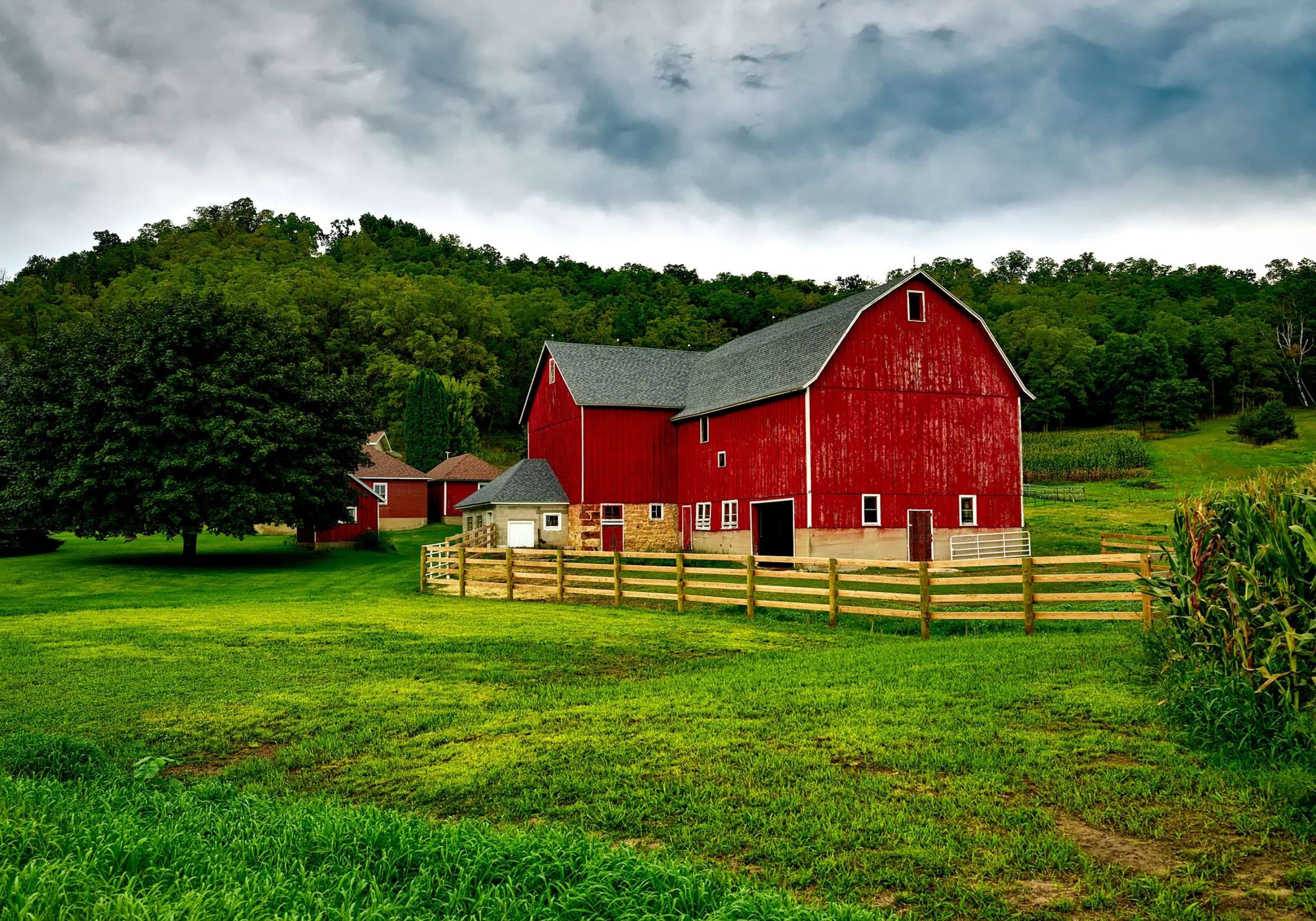
What Is Rural Property Insurance?
Rural property insurance is a type of coverage designed for properties situated in the countryside or smaller towns. It often covers farmhouses, rural homes, outbuildings, farm equipment, and even livestock, addressing the unique risks associated with rural living. Since rural properties tend to be large and sometimes isolated, with assets like machinery or animals, this insurance is more than essential.
Why Do You Need Rural Property Insurance?
Rural areas are exposed to challenges like harsh weather or equipment breakdowns. This insurance helps protect against damage from natural disasters like bushfires or floods, theft, or accidents involving machinery. If you own a rural property you may depend on your land for income, so having coverage is crucial. Without insurance, the cost of replacing buildings, equipment, or livestock could be overwhelming.
What Are the Risks of Not Having Insurance?
Without rural property insurance, you are exposed to significant risks, such as:
- Financial loss from damage or destruction caused by severe weather, like bushfires, floods, or storms.
- Theft of valuable assets, including machinery, livestock, or equipment, leading to costly out-of-pocket expenses.
- Liability risks if someone is injured on your property, potentially resulting in expensive legal fees and compensation claims.
- Loss of income if your property or equipment is damaged and you rely on it for your livelihood.
- High costs of repairs or replacement of buildings, equipment, or livestock without insurance to help cover those expenses.
What Does Rural Home Insurance Cover?
Rural home insurance can be used to ensure coverage for:
- Buildings: Protection for the farmhouse or rural home, including sheds or barns.
- Contents: Coverage for personal belongings and tools used for operations.
- Machinery and Equipment: Insurance for essential farming machinery and vehicles.
- Livestock: Financial protection for livestock against theft, disease, or natural disasters.
- Liability: Coverage for accidents that might occur on the property, such as injuries to visitors or workers.

How Much Does Rural Insurance Cost?
Costs vary depending on several factors, including the size of the property, the value of assets being insured, and the level of coverage chosen. Policies can be tailored to fit individual needs, so you can only pay for the protection you require.
What Factors Affect the Cost of Rural House Insurance?
Let’s explore some of the key elements that affect the cost of rural house insurance and how they might shape your policy.
Previous Claims History: A history of claims can increase insurance costs.
Location: Properties in high-risk areas, like those prone to floods or bushfires, may face higher premiums.
Property Size and Value: Larger properties or those with valuable buildings and assets typically have higher insurance costs.
Type of Coverage: More comprehensive policies that cover buildings, contents, and liability will cost more than basic plans.
Security Measures: Properties with security systems or fire alarms may benefit from lower premiums.